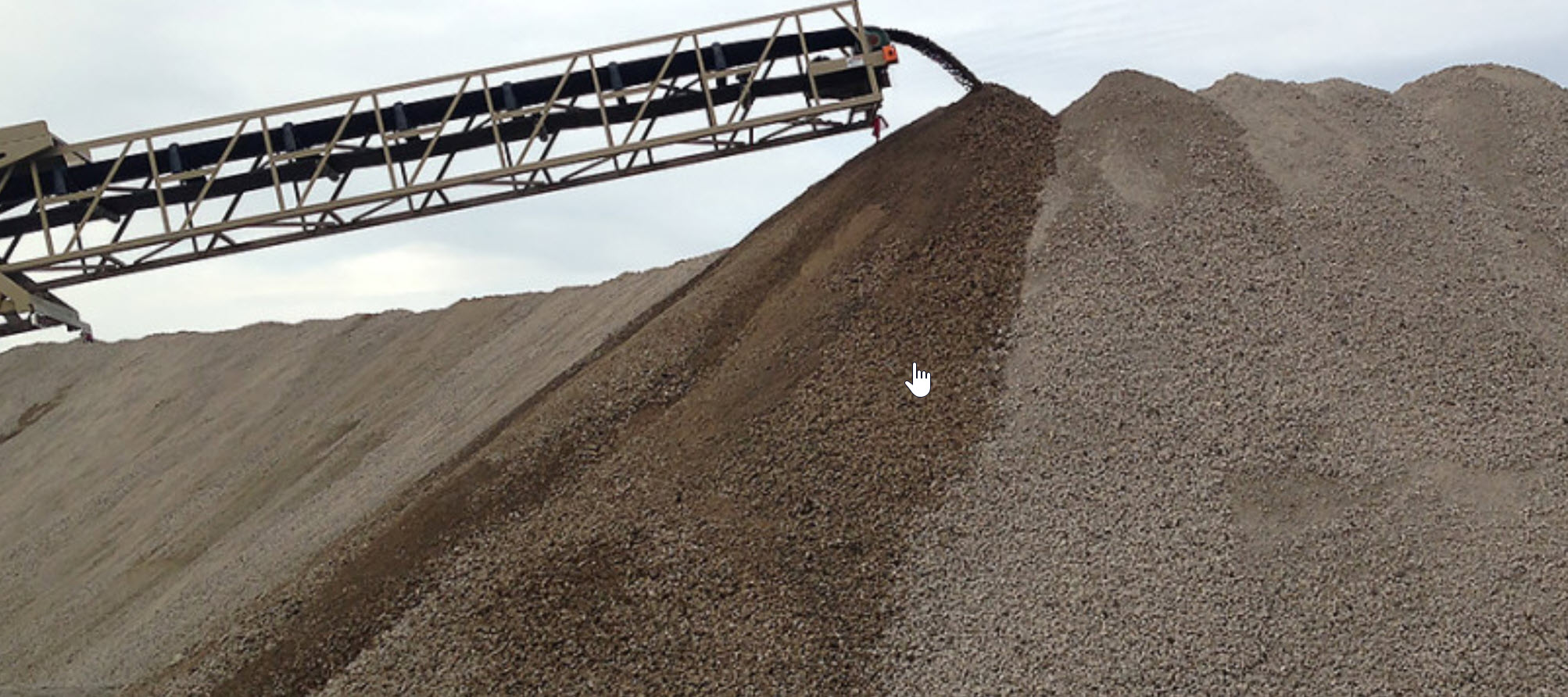
Flexbase 247 is compacted aggregate used as a supporting base beneath pavement. In Texas construction documents, “247” usually refers to TxDOT Item 247, Flexible Base. Crushed concrete can be a source material for flexible base, but the name “crushed concrete” alone does not establish compliance. The specified material type, grade, testing and project acceptance requirements matter.
Concrete of Houston can discuss flexible base as part of your Greater Houston sitework and paving scope. Share your plans, project location, intended traffic and finished surface so the base work can be coordinated with grading, drainage and pavement construction.
What is Flexbase 247 aggregate?
Flexible base is a blend of aggregate particles that is placed, moisture-conditioned and compacted to form a foundation course. The mixture of particle sizes helps the material form a dense layer when properly processed and installed. It is not a polymer-modified cementitious product, tile underlayment or waterproofing membrane.
TxDOT Item 247 addresses material and construction requirements for flexible base. A reference to “247 base” should be accompanied by the type, grade and applicable specification edition required by the plans. A trade name or supplier description is not a substitute for those requirements.
Is Flexbase 247 the same as crushed concrete?
No. “Flexbase 247” describes a specified base application and requirements; “crushed concrete” identifies a recycled material source. TxDOT’s 2024 Item 247 allows crushed concrete under its Type D provisions, subject to the specification and plans. Not every recycled concrete stockpile is suitable for every flexible base application.
Recycled material should be evaluated for gradation, quality, contamination and the required supporting documentation. Concrete rubble, oversized demolition debris and mixed fill should not be treated as interchangeable with a processed, specified base aggregate. Where a project calls for a different aggregate type or a special provision, follow that requirement rather than substituting crushed concrete by name.
See our crushed concrete base service for the related scope, and confirm the proposed material with your project engineer before procurement.
Where is flexible base used?
Depending on the pavement design, flexible base may support asphalt pavement, access roads, parking areas and other planned traffic surfaces. The appropriate use depends on vehicle loads, drainage, subgrade conditions and the proposed finished surface. An aggregate access area and a base beneath finished pavement do not necessarily have the same design requirements.
For a Houston-area commercial development, base work also needs to fit the overall construction sequence. Underground utility installation, drainage structures, curb grades and finished elevations can affect when material should be placed and how it is protected from construction traffic.
Flexible base installation: from subgrade to finished elevations
1. Review the plans and prepare the subgrade
Establish the required elevations, pavement section and limits of work before placing base. Evaluate soft, wet or unstable areas rather than covering them with aggregate. Depending on the geotechnical recommendations and plans, the site may need undercutting, replacement material or soil and lime stabilization. Adding base alone does not resolve every subgrade problem.
2. Select and document the specified aggregate
Confirm the material type, grade, source and required tests against the contract documents. If recycled crushed concrete is proposed, establish whether it is allowed and what documentation is needed. Keep the selected material separate from unsuitable fill and avoid contamination during delivery and handling.
3. Place, moisture-condition and compact the base
Spread material in controlled layers appropriate to the plans, equipment and specification. Adjust moisture and compact using the required method. There is no single thickness, roller-pass count or density percentage that can be promised for every project; use the specified acceptance criteria and testing procedures.
4. Check grades, drainage and acceptance
Verify the completed layer against the required section, elevations and tolerances. Coordinate acceptance testing and correct deficient areas before the next pavement operation. Protect completed base from rutting, contamination and standing water while subsequent work is scheduled.
How much Flexbase 247 does a project need?
Start with the design area and compacted thickness. For a rectangular area measured in feet, the geometric compacted volume in cubic yards is: length × width × thickness in inches ÷ 324. For example, 100 feet by 20 feet at 6 inches equals approximately 37 cubic yards of compacted volume. This is an estimating example, not a recommended pavement thickness.
That calculation is not automatically the quantity to order. Loose-to-compacted volume, material density, moisture, irregular grades, construction tolerances and handling losses affect procurement. Converting cubic yards to tons requires a defensible density for the actual material; avoid using an unsupported universal conversion factor.
What affects flexible base project cost?
Price depends on the specified aggregate, source availability, hauling distance, delivery access, total quantity, subgrade preparation, grading, compaction and testing. Small or constrained sites may need a different approach from an open commercial development. A material-only price does not describe the cost of a complete installed base course.
For a useful scope discussion, provide your civil plans, geotechnical information if available, project address, required schedule and whether the base will support asphalt paving, an access area or another designed surface. Identify whether hauling, preparation and testing are included in the requested work.
Flexbase 247 questions answered
Does crushed concrete automatically meet TxDOT Item 247?
No. The material must satisfy the applicable type, grade, quality and acceptance requirements. Check the project documents and supporting material information rather than relying on the product name.
What thickness of flexible base should I use?
Use the pavement section in the approved plans and the project engineer’s recommendations. Traffic loads, soil support, drainage and the finished pavement system influence thickness. An online rule of thumb is not a substitute for project-specific design.
Can flexible base replace lime stabilization?
Not automatically. Base aggregate and stabilization address different parts of the pavement support system. Whether stabilization is needed should be established from the soil conditions, geotechnical recommendations and plans.
Is flexible base a finished concrete surface?
No. Compacted aggregate base is different from a poured concrete slab or finished pavement. If your project requires a hard finished surface, discuss the complete concrete flatwork and parking lot section rather than the base alone.
Discuss your Houston flexible base and sitework scope
Send Concrete of Houston your project location and plans, or call (281) 853-8600. We can discuss how flexible base, crushed concrete, grading and related paving work fit your proposed scope. Material suitability and acceptance remain subject to the applicable plans and specifications.
Technical reference: TxDOT 2024 Standard Specifications, Item 247 — Flexible Base. Confirm the edition and special provisions governing your project; this overview is not an engineering design or a material certification.